

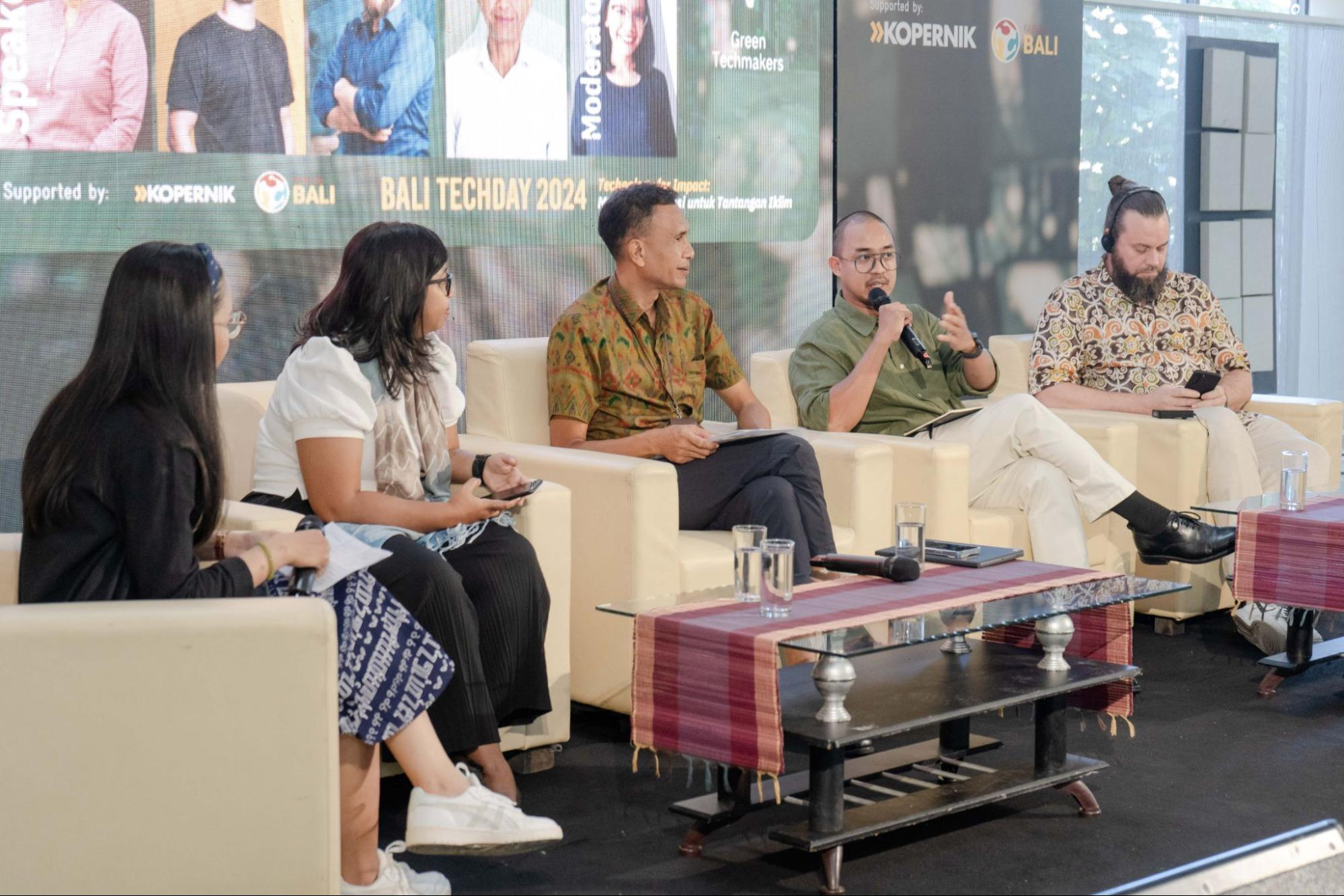
The Green Techmakers program was established in response to the growing demand for sustainable technology solutions and the urgent need to develop the skills and networks of startups within the green technology sector. The activities include prototyping sessions in a dedicated maker space, training sessions with digital fabrication experts, and networking sessions with the general public to disseminate project results.
Project Type
- Test Potential Solutions
Partners

THE PROBLEM
Green technology startups face considerable challenges, particularly when striving to achieve product-market fit in a still-emerging market. Unlike their counterparts in more mature digital markets, green technology startups must navigate the complexities of developing both hardware and software solutions simultaneously. This dual development process demands significant resources and expertise, making the path to market alignment even more difficult.
These challenges were highlighted during a focus group discussion (FGD) organised by GIZ project DTC and Make-IT together with the Indonesian Ministry of National Development Planning (PPN/Bappenas) in 2022. Representatives from green technology startups and ecosystem support organisations shared their experiences, underscoring the need for enhanced technical support and ecosystem development to facilitate product innovation and market integration. More specifically, the challenges green technology startups face in developing products/solutions that meet market needs often require significant resources, as they involve the simultaneous development of hardware (physical products) and software (digital products) as part of their solutions.
THE SOLUTION
The Green Techmakers program follows a structured approach, combining diverse methodologies to offer flexibility and in-depth guidance. Learning methodologies include asynchronous modules, live workshops, and mentoring sessions to adapt to participants' needs. Through a tailored curriculum and access to expert mentors, the program equips participants with cutting-edge product development skills. The maker space, equipped with advanced tools and facilities, is crucial in allowing startups to prototype and experiment with green technologies.
The program's implementation evaluation is based on participant and mentor feedback. It focuses on the impact of the training, challenges faced during the prototyping sessions, and areas for improvement for future iterations.
Prototyping session in Fab Lab Bali office
Lean Experimentation session in Kopernik office
THE EXPECTED IMPACT
The implication of the project will influence innovation, replication, and scale-up in the green technology and digital fabrication sector.
THE PROJECT RESULT
As a direct outcome of the Green Techmakers program, 10 startups; 3 startups focusing on clean energy transition, 3 startups in circular economy, and 4 in natural resources management, enhance their technical skills in green technology and strengthen their capacity to innovate based on the lean experimentation and impact measurement framework. Through intensive training, hands-on workshops, and direct access to the Fab Lab Bali maker space and 12 expert mentors, these startups acquire practical competencies to refine their product roadmaps, accelerate prototype development, and expand their professional networks.
THE BROADER IMPACT
Findings from the Green Techmakers program, which include strengthening supply, enhancing technology-related human resources, and boosting demand, are recommended to be incorporated into Indonesia's National Medium-Term Development Plan (RPJMN) to address challenges in infrastructure, workforce development, and the market adoption of green technologies.
In the long term, implementing these recommendations will help create a more resilient production and distribution network, develop a skilled workforce for advanced research and digital literacy, and encourage consumer and industry engagement with sustainable solutions. Together, these efforts are expected to significantly impact the country's green and digital economy, promoting sustainable economic growth while supporting Indonesia's broader development goals.
PROJECT COST
Type
Description
Amount
Solution & Project Implementation
Costs associated with the purchase of the solutions tested and project coordination
$90,955
Administration Fee
Cost of transferring payments internationally, processing online donations (5%) and a contribution to Kopernik's operational costs (15%)
$14,098
Total $105,053
This project is implemented by PT Kopernik on behalf of our client who funded this project.
