

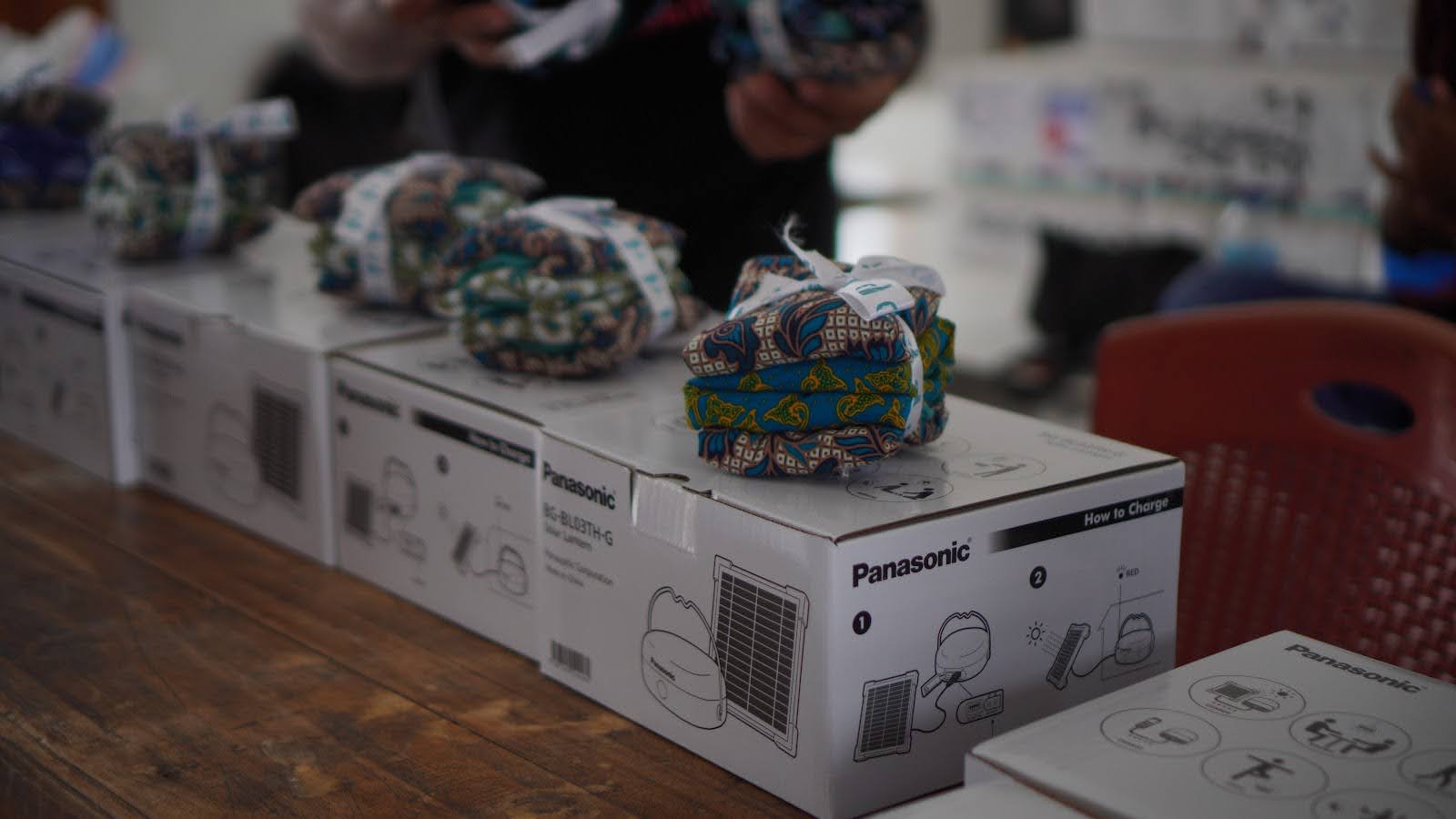
This project is initiated as a response to period poverty in East Nusa Tenggara (NTT) - a situation where women face lack of access to menstrual products, hygiene facilities, waste management, and education. The aim of the project is to alleviate period poverty through the provision of reusable menstrual pads and solar LED lanterns so that women and girls in NTT can better manage their menstrual period at night.
Project Type
- Test Potential Solutions
THE PROBLEM
Period poverty affects many women globally, including in Indonesia. In Indonesia, 22% of women and girls did not have adequate access to properly manage menstruation (UNICEF, 2022). In East Nusa Tenggara,
women and girls face a lack of access to menstrual products, hygiene facilities, waste management, and education. Myths and taboos also hinder efforts to alleviate period poverty, as many women and girls still believe menstruation is dirty and are embarrassed to talk about it. Women and girls must find time during the day to locate a plot of land near their homes to bury the used pads. Period poverty is further exacerbated by the lack of electricity, making it difficult for women to manage menstruation at night - especially in NTT, where only 24% of villages are electrified.
THE SOLUTION
We distributed reusable menstrual pads and solar LED lanterns to women and girls in East Nusa Tenggara (NTT), while integrating education on Sexual and Reproductive Health and Rights (SRHR).
In addition, we distributed solar lanterns to tailors producing reusable menstrual pads and to Komunitas Menstruasi Sehat (KOMAT) agents or volunteers providing menstrual education, to enable better period experiences for women and girls in NTT.
One of the program participants trying the Panasonic solar lantern in her home
Solar lantern and reusable menstruation pad distribution in Sikka
Education session on menstrual health during product distribution in Lembata
Interview and data collection in West Manggarai
THE EXPECTED IMPACT
Women and girls will gain an extra hour to change and wash their reusable menstrual pads using the solar lanterns, while also improving their knowledge of Sexual and Reproductive Health and Rights (SRHR). Additionally, tailors can work two extra hours per day with the solar lanterns, and KOMAT agents can conduct two additional door-to-door activities each month.
